Fitness trackers are your perfect workout buddy, helping you stay on top of your fitness goals. They monitor everything from steps taken to heart rate, making it easy to track your progress. Whether you’re hitting the gym or going for a hike, these gadgets keep you motivated and informed every step of the way.
Fitness Trackers
Stay Ahead of Your Fitness Goals with the Latest Wearable Technology
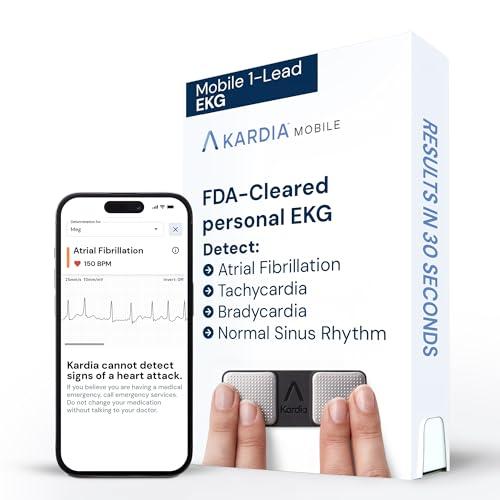
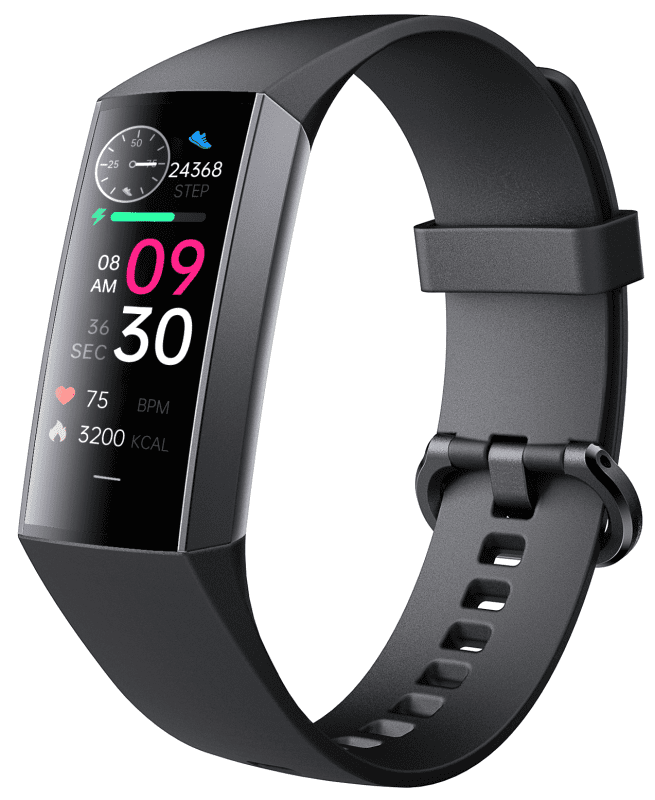
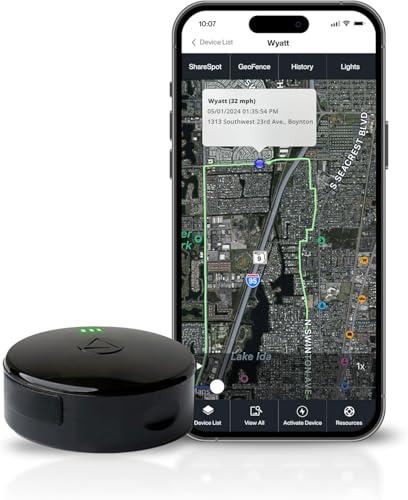
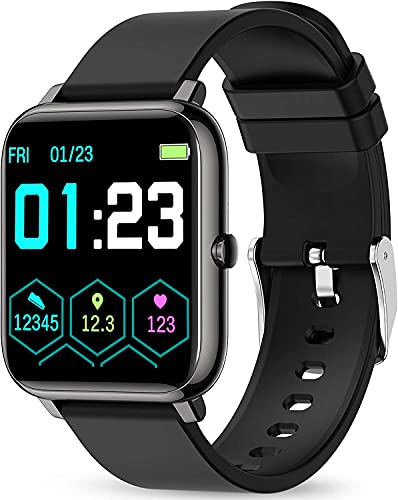
Product List
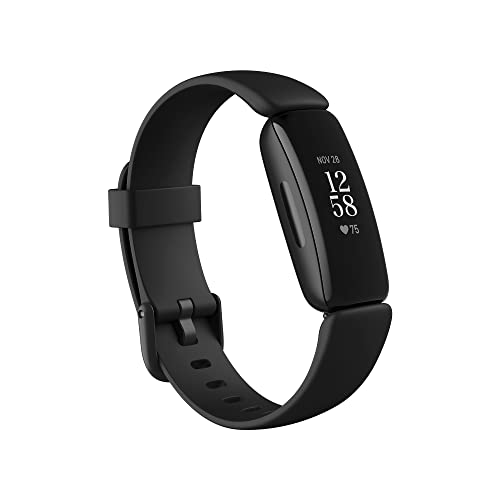
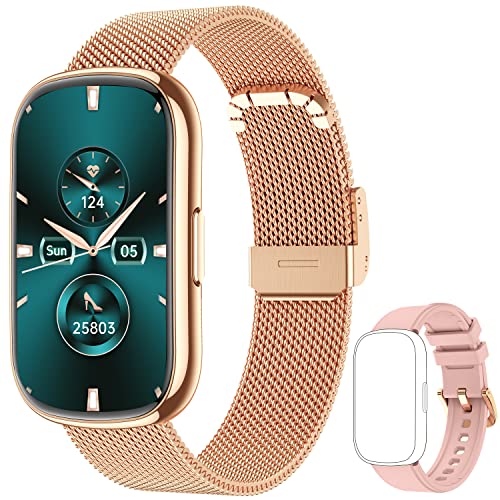
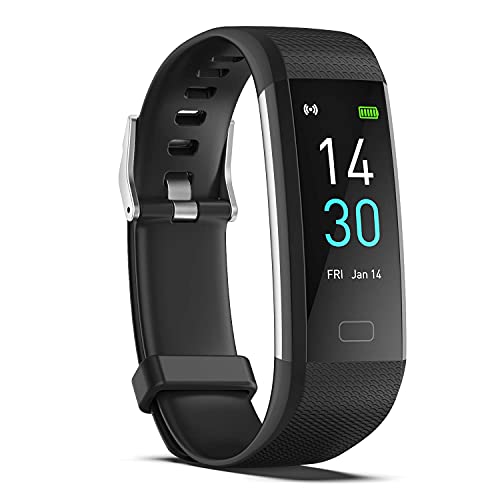
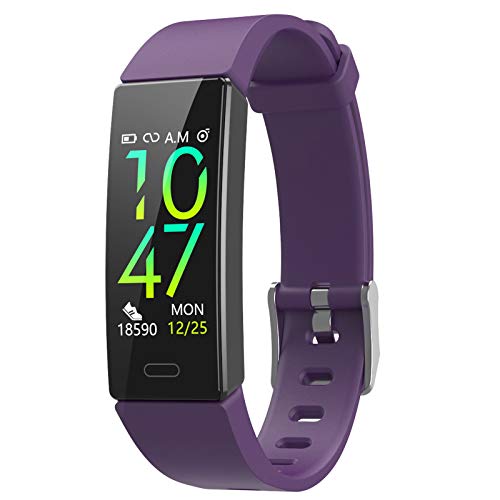
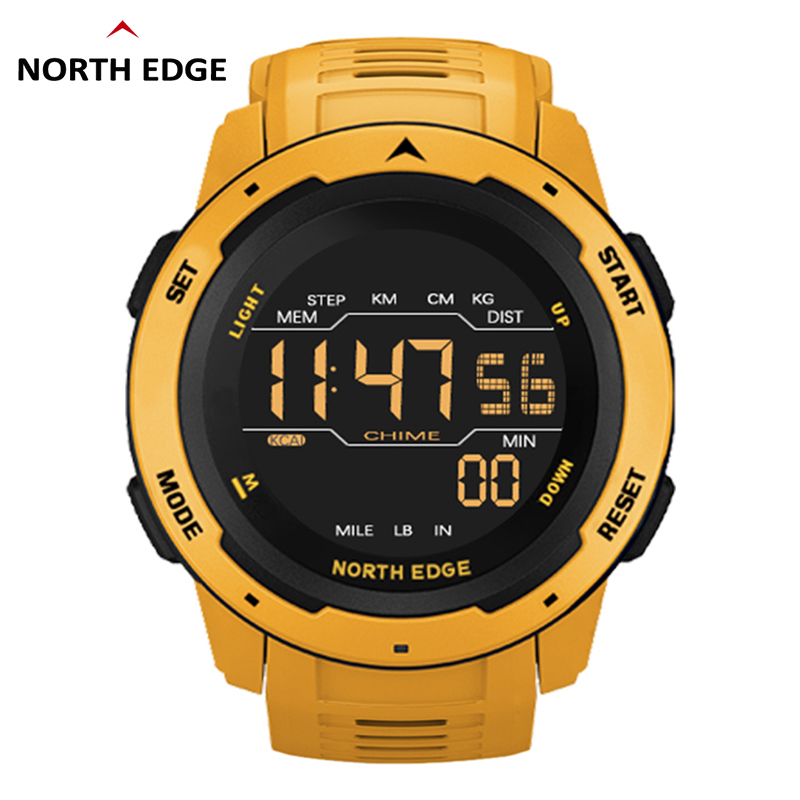
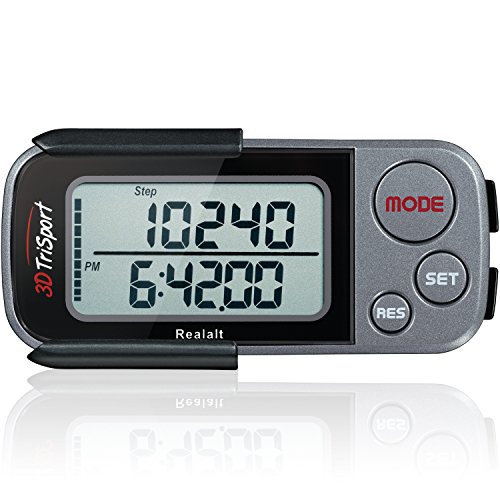
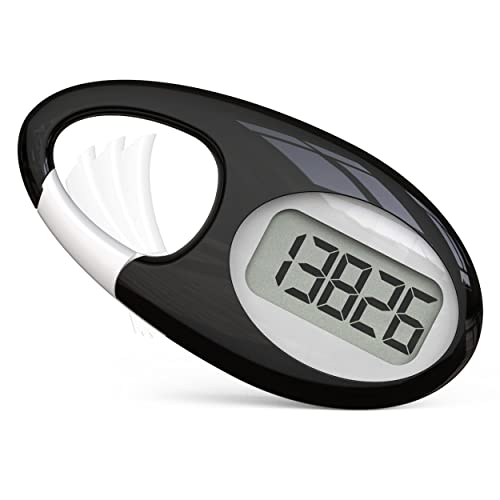
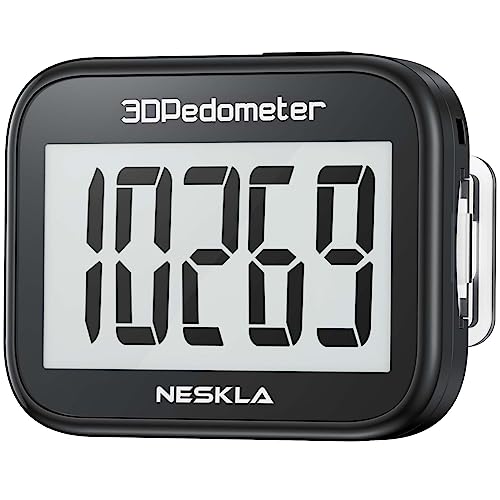
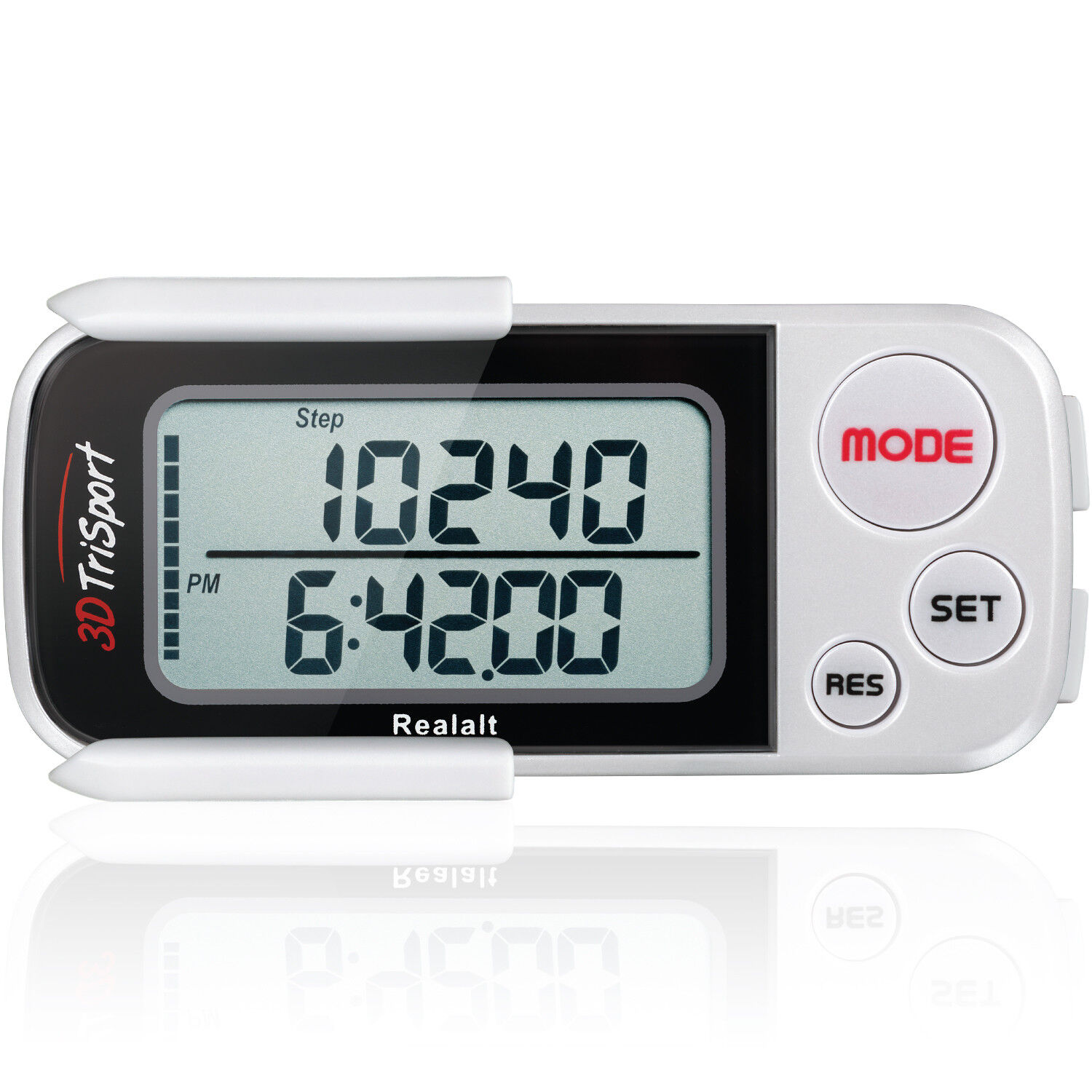
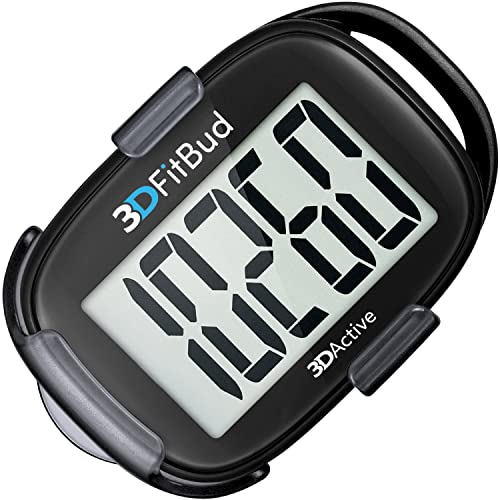
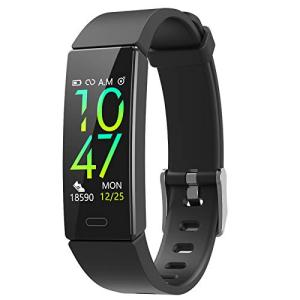
In a world that never stops moving, keeping track of our health can feel like one more thing on a never-ending to-do list. Between work, errands, family time, and maybe (if you're lucky) a moment to unwind, fitness can sometimes fall by the wayside. But what if there were a way to make staying active easier—something small, helpful, and always by your side? That’s where fitness trackers come in.
These little devices have come a long way from simply counting your steps. Today, fitness trackers are like having a personal health assistant strapped to your wrist. Whether you're a seasoned athlete or just starting your wellness journey, there’s a tracker out there to help guide, motivate, and celebrate your progress.
What Exactly Is a Fitness Tracker?
A fitness tracker is a wearable device—usually a wristband or smartwatch—that monitors various aspects of your physical activity. Most commonly, it keeps tabs on your steps, heart rate, sleep patterns, and calories burned. But newer models offer even more, like GPS tracking, blood oxygen levels, menstrual cycle tracking, guided breathing sessions, and even ECG (electrocardiogram) monitoring.
In short, it’s a mini health hub that you wear all day (and often all night), providing real-time data about your body’s activities.
Why Do People Use Them?
One of the biggest reasons fitness trackers have exploded in popularity is accountability. Seeing how many steps you've taken—or haven’t—gives you a gentle nudge to get up and move. It can turn fitness into a game, with daily goals, badges, and challenges to keep you motivated.
Here are a few reasons people love their trackers:
-
Goal Setting: Want to walk 10,000 steps a day? Sleep 8 hours a night? Burn 500 calories? A tracker helps you set and work toward these goals.
-
Progress Monitoring: Over time, you can look back and see improvements in your fitness and health, which can be super motivating.
-
Habit Building: Consistent reminders and tracking help build healthy habits like walking more, drinking water, or getting to bed earlier.
-
Motivation: Many fitness apps offer community challenges or let you compete with friends. A little friendly competition can go a long way!
What Can Fitness Trackers Monitor?
Let’s take a closer look at what these gadgets are capable of:
1. Steps and Movement
This is the bread and butter of most trackers. They use motion sensors to count your steps, track distance, and even detect different types of activity like walking, running, cycling, or swimming.
2. Heart Rate
Many trackers measure your heart rate 24/7. This gives you insight into your resting heart rate (a good indicator of general fitness) and how hard you’re working during exercise.
3. Sleep Tracking
Fitness trackers can monitor your sleep patterns, noting how long you sleep and how much time you spend in light, deep, and REM sleep. Some even give tips for improving your sleep quality.
4. Calories Burned
By combining your activity level, heart rate, and personal stats like age and weight, fitness trackers can estimate how many calories you burn throughout the day.
5. GPS and Distance Tracking
For runners and cyclists, built-in GPS is a game-changer. You can track routes, pace, and distance without needing your phone.
6. Smartphone Integration
Many fitness trackers sync with apps on your phone, so you can dive into your data, set goals, get reminders, and even receive call and text notifications.
Choosing the Right Tracker
With so many models on the market, it can feel a bit overwhelming. Should you go for the sleek Fitbit Charge, the feature-packed Apple Watch, the budget-friendly Xiaomi Band, or something else entirely?
Here are a few things to consider:
-
Your Fitness Goals: If you're just starting out, a basic model that tracks steps and sleep might be perfect. If you're training for a marathon, you’ll probably want something with advanced features like GPS and heart rate variability.
-
Battery Life: Some trackers last just a day or two, while others can go for weeks without a charge.
-
Style and Comfort: You’ll be wearing it a lot, so make sure it feels good on your wrist and matches your personal style.
-
Budget: There’s a wide range of prices—from under $50 to several hundred dollars. Thankfully, there are great options at every price point.
The Psychology of Tracking
It’s one thing to have data. It’s another thing to know what to do with it. That’s where fitness trackers shine—not just as measurement tools, but as motivational tools. Many people find that just wearing a tracker makes them more aware of their activity levels. It serves as a constant reminder of the goals you’ve set.
Seeing a graph of your progress or earning a badge for your 5th straight day of hitting your step goal? That’s positive reinforcement in action.
Can a Fitness Tracker Really Make You Healthier?
The answer is: it can, if you use it consistently and mindfully.
Studies show that people who use fitness trackers often walk more, sleep better, and even lose more weight compared to those who don’t track their activity. But of course, a tracker isn’t a magic fix. It won’t tie your running shoes for you or drag you out of bed—but it can give you the nudge you need to make healthier choices.
A Few Tips for Getting the Most Out of Your Tracker
-
Set Realistic Goals: Start small and build. If you’re walking 3,000 steps a day now, jumping to 10,000 overnight may not be sustainable.
-
Use the Data: Don’t just collect numbers—review them. See where you can improve.
-
Sync and Review Regularly: Most trackers have companion apps where you can view trends, set reminders, and connect with a community.
-
Don’t Obsess: Remember, it’s a tool—not a scoreboard. It’s okay to have days off.
-
Celebrate Wins: Whether it’s your first 5k or just a week of good sleep, celebrate your progress!
Final Thoughts
Fitness trackers aren’t just gadgets—they’re companions on your health journey. They help you stay aware, stay motivated, and most importantly, stay moving. And whether you’re trying to lose weight, sleep better, run faster, or just feel better in your daily life, a tracker can help guide the way.
So, if you’re ready to take a step (or 10,000) toward better health, a fitness tracker might just be the small device that makes a big difference